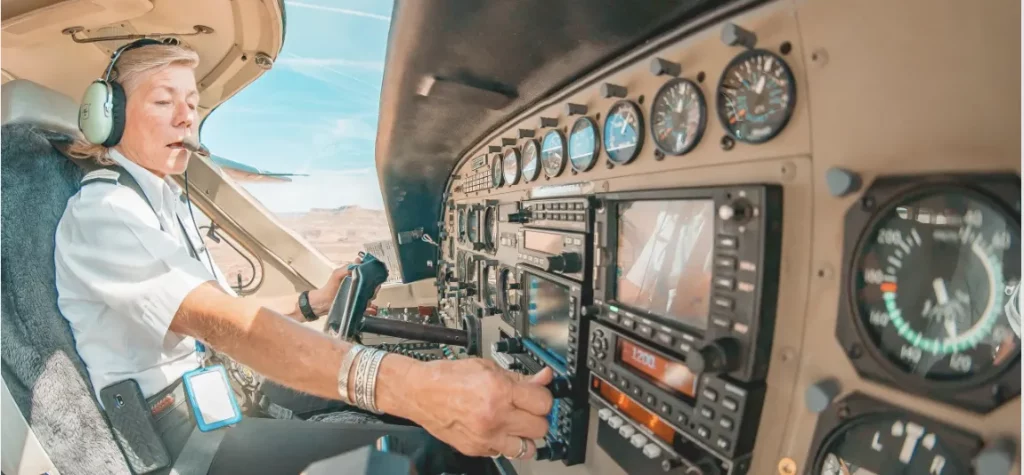

Emergency Flight Services are no longer just about aircraft—they’re about ecosystems of safety, technology, and precision coordination. As medical needs rise and environments grow more unpredictable, service providers must evolve.
Immersive Flight, powered by Skytrac, is setting a new standard. With real-time tracking, data-driven decision-making, and unmatched situational awareness, you’re not just flying patients—you’re transforming outcomes.
When every second counts, Emergency Flight Services provide life-saving transportation for critically ill or injured individuals who require rapid response. These services typically include air ambulances—helicopters and fixed-wing aircraft equipped to function as mobile intensive care units.
Whether it’s transporting a trauma patient from a remote accident site or evacuating someone with a life-threatening condition during a disaster, emergency flights serve as a vital link in the medical response chain. For healthcare providers, public safety agencies, and private corporations, choosing the right provider is not just a decision—it’s a responsibility.
The urgency, logistics, and high-stakes nature of emergency air response demand not just aircraft and medics, but also advanced technology. This is where the next generation of services is headed: toward real-time tracking, automated communication systems, and intelligent coordination platforms like us, Immersive Flight.
What defines a modern and reliable emergency flight service? Here are the essential pillars:
Aircraft readiness: A fleet that’s always on standby, including rotor and fixed-wing options.
Medical crew expertise: Certified paramedics, flight nurses, and physicians trained in aeromedical care.
Advanced onboard equipment: Defibrillators, ventilators, ultrasound, telemedicine tech, and more.
Geographic coverage: Nationwide or even international reach, 24/7.
Dispatch and coordination: Fast, centralized communication hubs.
But technology is now the differentiator. Providers like Immersive Flight are reshaping the game by offering full situational awareness, real-time location sharing, and even predictive analytics for better mission planning.
Emergency air response sounds heroic—and it is—but it’s also riddled with challenges:
Terrain & accessibility: Reaching remote areas, mountainous zones, or disaster regions is often complicated.
Weather unpredictability: Real-time weather data is crucial to reroute flights safely and efficiently.
Coordination: Synchronizing with ground teams, hospitals, dispatchers, and pilots requires streamlined systems.
Data fragmentation: Many services still rely on outdated or siloed information systems.
Delays & risk: Lack of tracking or communication gaps can literally cost lives.
These obstacles are precisely where integrated technology solutions like Immersive Flight shine. The platform delivers real-time flight tracking, satellite-based communication and operational dashboards.

Real-time tracking isn’t a luxury anymore—it’s a life-preserving necessity. In emergency medical services, visibility equals control. Real-time data allows:
Command centers to see exactly where an aircraft is.
Medical teams to prepare before the patient even lands.
Pilots to receive live updates about terrain, weather, or rerouting.
Agencies to document missions and performance with digital records.
Immersive Flight, leveraging satellite communication infrastructure, allows for precise aircraft positioning, crew status updates, and automatic data relays. The result? Unmatched operational awareness and faster decision-making in critical moments.
Want to see it in action? Book a free Immersive Flight demo and experience the power of intelligent flight coordination.
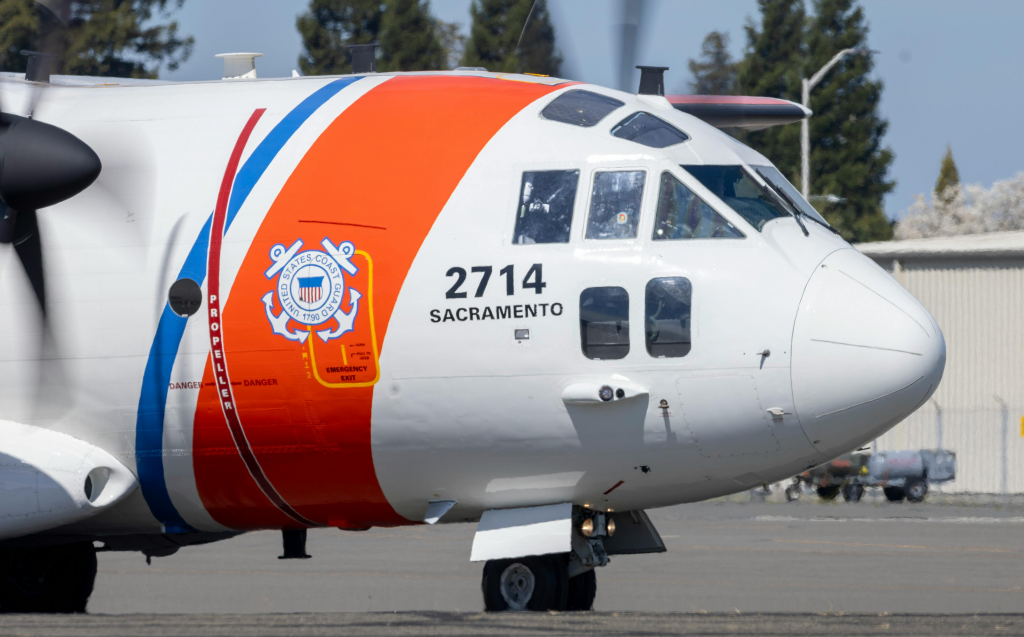
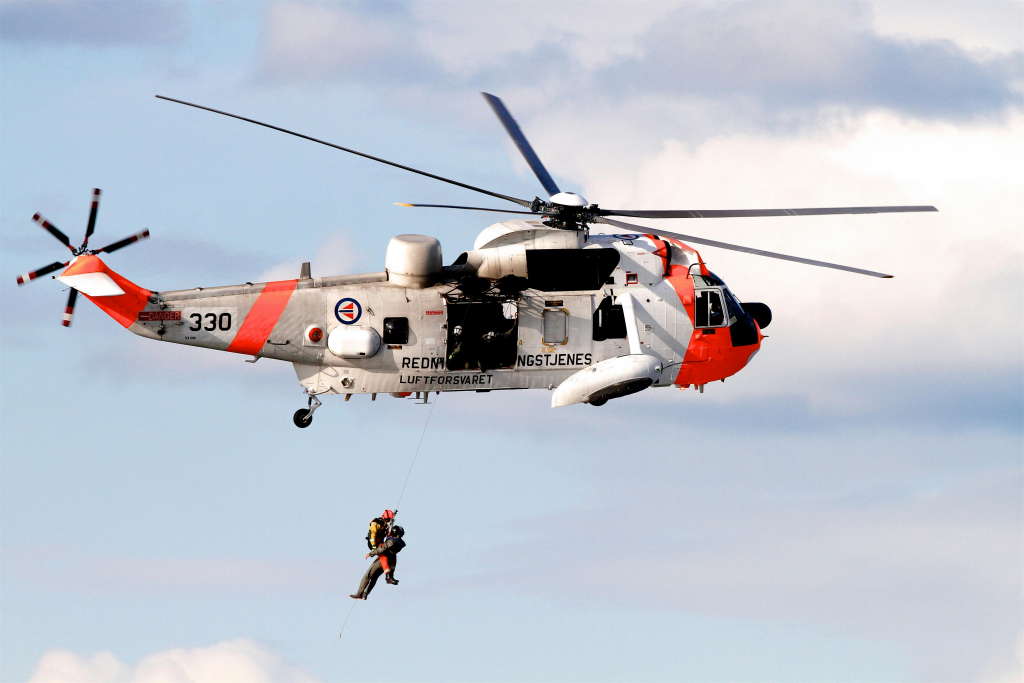
Let’s break down how Immersive Flight’s solution specifically elevates emergency air operations:
Seamless tracking interface: Built for both pilots and dispatch teams.
Satellite connectivity via Skytrac: Uninterrupted communication, even in signal-dead zones.
Mission data logging: Automatically records mission data for audit, quality assurance, and insurance.
Route optimization: AI-powered suggestions based on wind, terrain, and active hazards.
Integrated telemedicine: Connects flight medics to hospital experts mid-air.
Hardware integration: Works with most flight and medical devices, syncing data in real time.
Whether you’re a hospital network, government agency, or private responder, Immersive Flight adapts to your operation scale and mission goals.
Behind every powerful emergency flight system lies a powerful communication core.
This aviation tech provider delivers satellite communication (Satcom), automatic flight tracking (AFR), and real-time data relays, all in one compact system. It’s what makes Immersive Flight’s platform possible.
Iridium Certus connectivity for global satellite coverage
Instant health monitoring for aircraft systems
Secure data encryption and transfer
Lightweight avionics optimized for air ambulances
Immersive Flight optimizes it for the unique needs of emergency flights. It’s the perfect blend of hardware reliability and software intelligence.
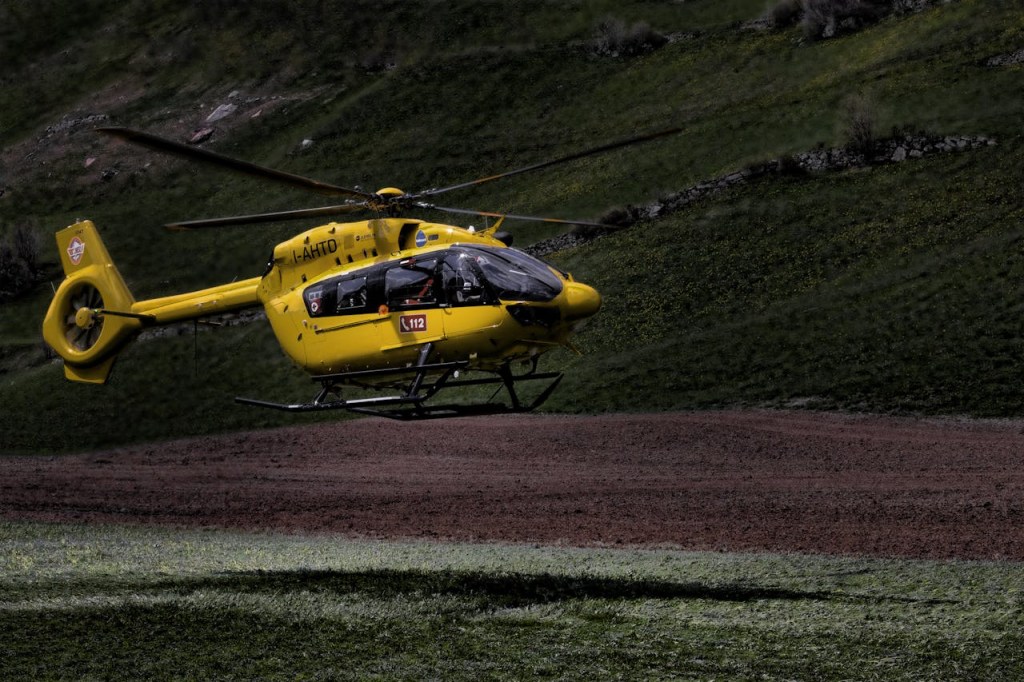
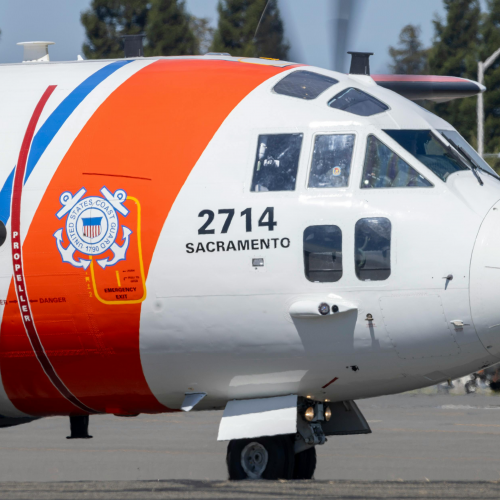
A logging accident occurs deep in a mountain range. With zero ground access, a rotor-wing aircraft deployed by an EMS unit using Immersive Flight is on the scene in under 20 minutes. Command sees the flight path live, adjusts for incoming weather, and the trauma team is briefed before wheels touch down.
During a wildfire evacuation, fixed-wing air ambulances relocate 25+ patients in 36 hours. Immersive Flight dashboards helped prioritize missions by severity and avoid no-fly zones in real-time, while onboard medics used Skytrac-enabled telemedicine to consult with burn specialists.
A U.S. citizen falls ill in a remote part of Southeast Asia. A charter medical jet uses Immersive Flight to coordinate international handoffs, secure clearances, and monitor patient vitals—all logged and visualized on the command dashboard.
These aren’t hypothetical—they’re daily missions enhanced by real-time systems that leave nothing to chance.
There are plenty of emergency flight services. What sets apart the best is not just the size of the fleet or medical training—it’s the system that holds everything together.
You need visibility.
You need compliance.
You need smart dispatching.
You need resilience in hostile terrain or global missions.
Immersive Flight is more than a tracking tool—it’s an operational command center in your pocket. With Skytrac integration, the platform offers:
Scalability from a single helicopter to entire national fleets
Compliance tools for FAA and global regulations
Analytics dashboards to continuously improve mission efficiency
Real-time alerting to eliminate human delay
If your organization provides emergency air services, the question is no longer if you need this—but when will you switch?