
Choosing and deploying an Electronic Flight Bag is not just a technical decision — it’s a strategic move that positions your organization at the forefront of digital aviation.
Whether you’re optimizing fleet performance, enhancing crew safety, or modernizing mission-critical workflows, Immersive Flight delivers EFB solutions that adapt, scale, and perform.

In today’s aviation ecosystem, operational efficiency and real-time data access are no longer luxuries — they’re mission-critical. That’s where the Electronic Flight Bag (EFB) steps in. An EFB replaces traditional paper-based reference materials with secure, digital tools that increase precision, save weight, reduce delays, and unlock smarter decisions at every phase of flight.
Whether you’re a commercial airline, a cargo operator, or a government agency managing state aircraft, migrating to an EFB system is one of the most transformative moves you can make.
But let’s be clear: not all EFBs are created equal. The right solution must go beyond basic documentation access — it must serve as a real-time flight operations platform, integrated with onboard and ground systems, tailored to your fleet, and designed for ease of deployment across departments and aircraft types.
If you’re considering implementing or upgrading your EFB infrastructure, this guide will walk you through everything you need to know — and help you take the next step with confidence.
Electronic Flight Bags come in three main classes, as defined by aviation authorities like the FAA and EASA. These classifications reflect how the device is installed, what data it can access, and how it’s certified for use in-flight.
Portable devices (tablets, laptops)
Not mounted to aircraft structure
Not connected to aircraft data buses
Suitable for basic display functions (charts, manuals)
Typically mounted (removable or semi-permanent)
May connect to aircraft power or data interfaces
Can display moving maps, weather overlays, performance calculators
Requires operational approval for specific functionalities
Installed systems integrated into aircraft avionics
Certified hardware with direct access to aircraft data
Can provide advanced capabilities like performance monitoring, communication with ATC systems, and integration with FMS (Flight Management System)
Choosing the right class depends on your operational needs, regulatory environment, and fleet configuration. Most commercial operators today opt for a hybrid Class 1/2 strategy, combining flexibility with advanced features.
The digital transformation brought by EFBs goes far beyond convenience. When well-implemented, EFBs generate measurable impact across the entire operation.
Operational Efficiency
Instant access to documentation, charts, manuals
Automated performance calculations
No manual updates or paper replacements
Real-time weather and NOTAM integration
Lower fuel consumption due to weight reduction
Faster turnaround times
Reduced paper and printing costs
Lower crew training overhead (digital familiarization)
Access to real-time data improves situational awareness
Automation reduces pilot workload and human error
Advanced alerts and performance monitoring reduce incident risk
Automatic log tracking, version control, and data backups
Simplified compliance with FAA, EASA, and ICAO regulations
Streamlined audit preparation and reporting

An enterprise-grade EFB must be more than a digital book shelf. Look for the following features to ensure your solution scales with your operations:
Smart versioning
Offline access
Approval workflows
Role-based visibility
Real-time weather overlays
Winds, turbulence, and METARs/TAFs in flight
Integration with external flight data systems
Takeoff and landing performance modules
Runway analysis tools
Fuel and payload optimization
In-flight checklists
Route monitoring
Alert systems for weather, performance deviations
Works seamlessly across iOS, Android, Windows tablets
Cloud-based data synchronization
Device agnostic for bring-your-own-device (BYOD) programs


One of the most underestimated aspects of EFB implementation is its contribution to tactical decision-making during flight.
When integrated with real-time data feeds, a modern EFB becomes a pilot’s digital co-pilot — constantly analyzing variables and providing actionable insights.
For example:
Anticipating changing weather at destination
Recalculating performance in response to weight shifts
Identifying safer alternates in real-time
Flagging compliance risks before they become incidents
In high-stakes environments like government aviation or multi-leg commercial operations, these features are not a bonus — they are vital.
Implementing an EFB solution across multiple aircraft and teams requires more than buying tablets. It’s a strategic transformation that involves:
Role-specific training programs
Pilot and dispatch workflows
Clear documentation for regulatory approval
Encrypted data and secure access
Automatic log backups and role-based permissions
Audit trail generation for regulators
Interoperability with flight planning tools, MRO systems, and aircraft sensors
Seamless updates across fleets and departments
Real-time syncing with ground operations
Immersive Flight specializes in managing these transitions — aligning cutting-edge aviation software with mission-ready implementation strategies.
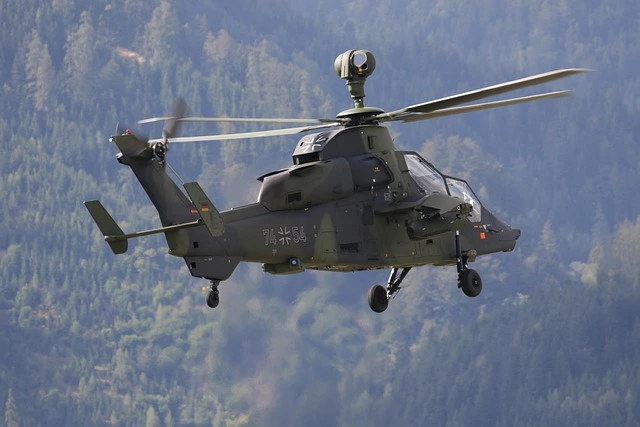

The true power of an EFB is unlocked when it becomes part of a connected ecosystem.
ATC messages sent directly to cockpit via EFB
Maintenance alerts auto-logged from post-flight reports
Flight schedules updated dynamically based on actual progress
Ops teams receive live aircraft performance data for better decision-making
These capabilities reduce turnaround time, increase aircraft utilization, and improve communication between air and ground like never before.
Looking to experience what a real-time, intelligent, and scalable EFB can do for your operation?
🎯 Book a live demo with Immersive Flight.
Our aviation experts will walk you through the entire solution, tailored to your specific operational needs — whether you’re modernizing a commercial fleet or implementing secure systems for government missions.